
Qatar Paediatrician Urges Keeping Sick Children Home and Timely Vaccination to Curb Flu Spread
Published By Regional Desk
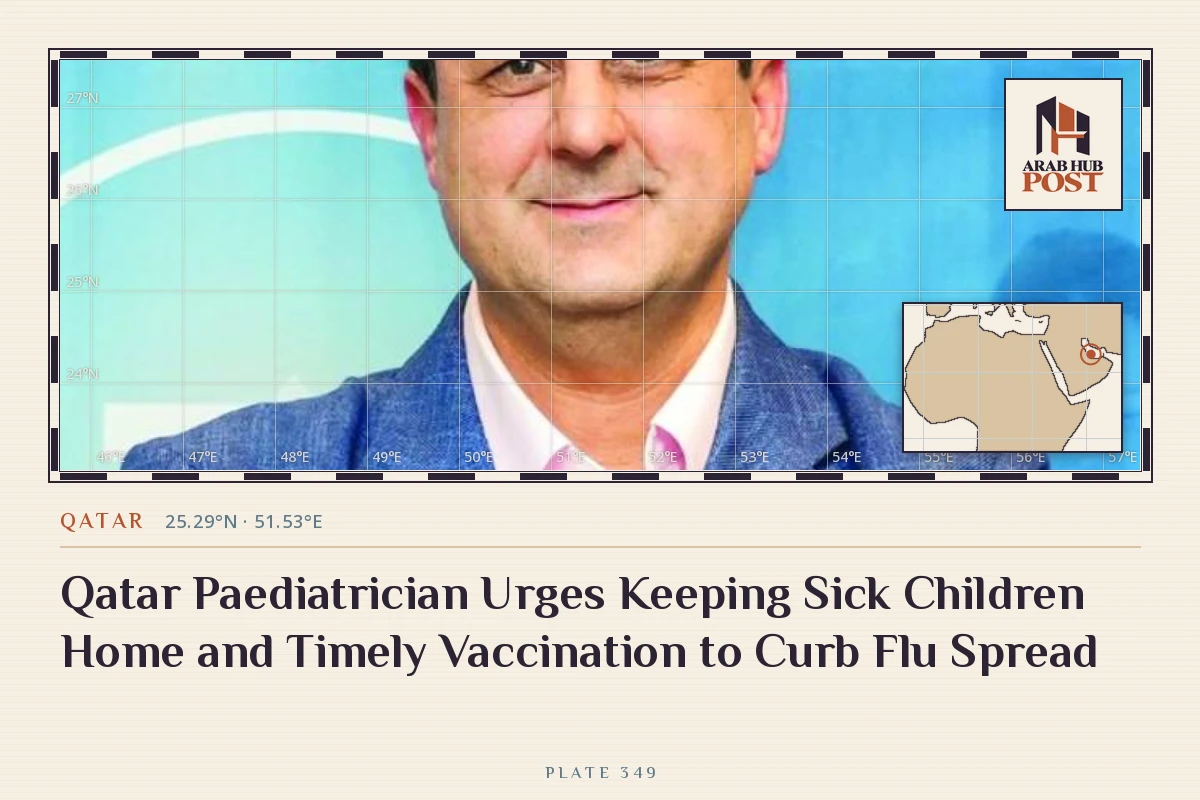
In Qatar, specifically in Doha where The View Hospital and Qatar University are located, Prof Dr Mohamed A Hendaus, head of Paediatrics at those institutions, told Gulf Times that keeping sick children at home and ensuring timely vaccination are among the most effective ways to curb influenza spread.
Keeping Sick Children at Home
Children infected with influenza may experience symptoms ranging from fever and cough to sore throat and body aches, and in some cases develop serious complications such as pneumonia or dehydration.
Hendaus said, “Influenza is more than a common cold,” urging parents, schools and the wider community to take the virus seriously.
The H1N1 strain of Influenza A, along with other subtypes, can transmit quickly in settings such as schools, nurseries, playgrounds and family gatherings.
Children who carry the virus can pass it on to brothers and sisters, parents, grandparents and other family members, with those already vulnerable to complications facing the greatest danger.
According to Hendaus, keeping a feverish child at home represents a straightforward method to curb spread, even though parents often worry about lost school time, exams and work obligations.
When a pupil attends school while feverish, especially if showing a cough, fatigue or body aches, the risk extends to classmates, teachers and other staff.
He explained, “Administering paracetamol to reduce fever before school does not make a child non-contagious,” adding that such medication may relieve discomfort but does not eradicate the virus or halt transmission.
He advised that children ought to stay home if they have a fever or feel too ill to join regular school activities, describing this as a responsible step to safeguard the community.
Vaccination and Preventive Practices
He urged yearly flu shots for all individuals aged six months and above, save for those with medical contraindications, pointing out that the vaccine lowers the chances of infection and serious illness.
He said, “Although no vaccine offers complete protection, vaccination remains one of our most effective defences against serious influenza disease.”
He encouraged parents to vaccinate eligible children as soon as the flu season begins, giving priority to those with ongoing health issues.
Youngsters under five, and infants below two in particular, as well as children living with asthma, heart disease, diabetes or compromised immune systems, are more prone to develop complications.
He advised families to discuss vaccination and other preventive steps with their child’s paediatrician.
He highlighted everyday precautions such as washing hands regularly with soap and water, using a tissue or elbow to cover coughs and sneezes, refraining from touching the eyes, nose or mouth with unclean hands, disinfecting surfaces that are often touched, and making sure rooms and classrooms are well ventilated.
Recognising Symptoms and Seeking Care
If a child shows flu-like symptoms, they should stay home, consume adequate fluids and be watched for any deterioration.
Since influenza is viral, antibiotics are ineffective and any medication should be decided by a healthcare professional.
He warned parents to monitor for dehydration, noting that fever raises the body’s fluid requirements while illness often cuts intake, and that vomiting or diarrhoea can worsen the situation.
Signs to watch for are fewer wet nappies, a dry mouth, absence of tears when the child cries, and atypical lethargy.
Immediate medical care is required if the child shows difficulty breathing, lips that turn blue or grey, intense or ongoing chest pain, seizures, confusion, lowered responsiveness or marked dehydration.
Hendaus added that parents ought to consult a doctor if a fever or cough appears to improve but then returns or gets worse.
He observed that youngsters with severe or worsening illness, those who need hospital admission, or those at higher risk of complications might require antiviral drugs, and that therapy should start promptly when clinically indicated.
According to Hendaus, schools can limit outbreaks by enforcing clear illness policies, ensuring proper ventilation, promoting hand hygiene and keeping parents informed in a timely manner.
Medical staff can support vaccination efforts and spot complications early on, and employers can assist by offering flexible work options to parents looking after unwell children.
He concluded that using vaccination together with good hygiene, prompt detection of warning signs and keeping ill children away from school lowers transmission and safeguards both classrooms and families.




Reader comments
No comments on this report yet.