
Saudi Aramco Headquarters Struck as Houthis and Riyadh Exchange Strikes
Published By Regional Desk
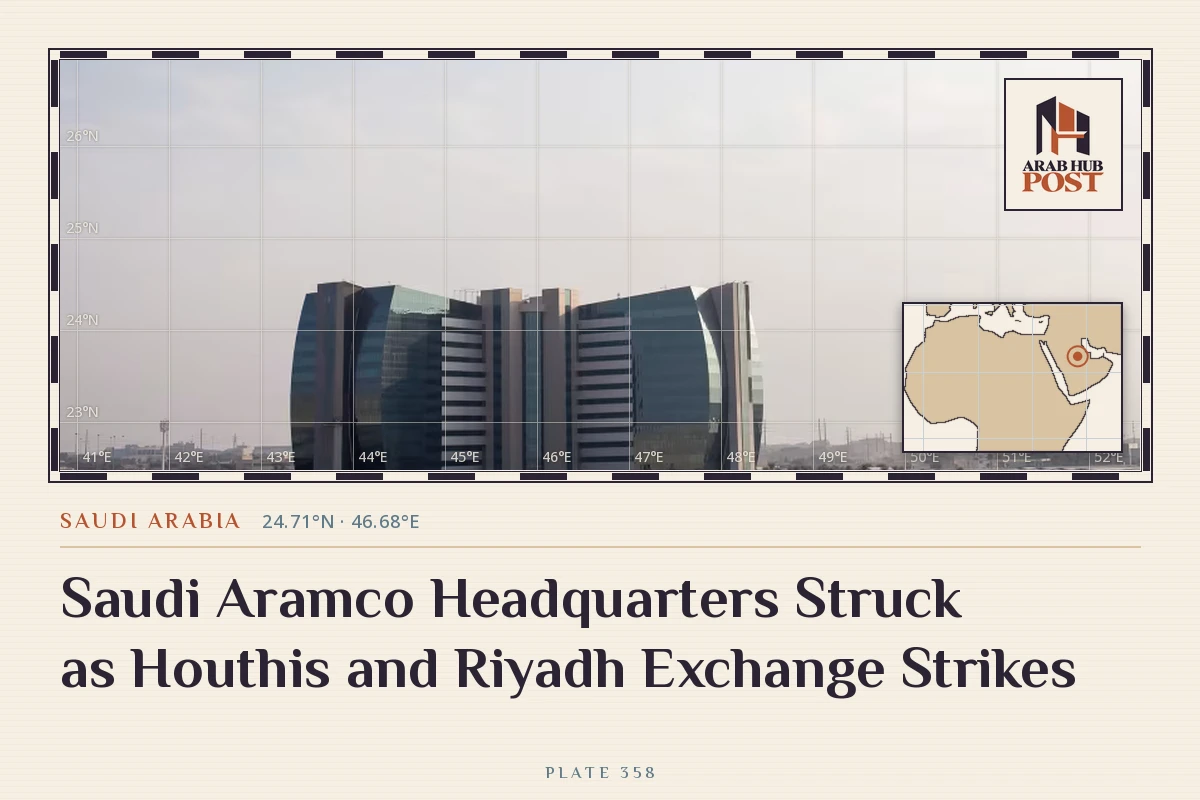
Aramco Facility Under Fire
Saudi Arabia and Yemen’s Houthis traded fresh blows against energy infrastructure, with the Iran‑backed group again directing fire at the Saudi capital and appearing to strike the headquarters of state oil company Aramco.
Saudi officials said an administrative building belonging to Aramco in Dhahran, Eastern Province, where the firm’s headquarters sit, was hit; the impact produced a limited blaze, though it remains uncertain whether the flames came from a direct strike or falling debris, and no casualties were reported.
CNN approached Aramco for a statement.
Coalition Interceptions and Casualties
The Saudi‑led coalition announced it had intercepted and destroyed three cruise missiles and two drones aimed at the Riyadh area and southern Saudi Arabia, while at least four people suffered injuries from falling debris, according to the same authorities.
Coalition spokesman Maj. Gen. Turki al‑Maliki said, “This operation focused on neutralizing the capabilities the Houthi militia uses to threaten the kingdom, Yemen, the southern Red Sea and maritime corridors,” in a released statement.
Earlier on Tuesday, the coalition reported shooting down a ballistic missile headed for the eastern province and another aimed at Haradh near the Yemeni border, and also said it had knocked out three Houthi drones north of Riyadh.
Escalation and Regional Impact
The exchange represented the latest escalation after a week of lethal Houthi missile and drone strikes that forced the closure of Riyadh’s main international airport.
The attacks followed just hours after Saudi Arabia struck a key fuel depot on Tuesday, which it asserted was being used by Houthi rebels to support assaults on the kingdom’s airports, energy facilities and Red Sea shipping.
Previously, the Houthi‑controlled Yemen Oil Company said the depot contained no petroleum stocks and that an attack would not affect fuel reserves or supplies.
According to the Houthis, the strikes killed two civilians and injured two, although the coalition insisted it had warned civilians to evacuate the area beforehand.
The Tuesday clash occurred as indicators showed the long‑running conflict, which reignited this summer and intensified last month after years of relative calm, continues to escalate.
The violence has grown since the Houthis declared in July that, in retaliation for what they describe as a Saudi blockade on the Yemeni capital, they would target Saudi shipping in the Red Sea as well as infrastructure inside the kingdom.
Hostilities have risen further, including repeated hits on Riyadh’s King Khalid International Airport, where 13 people were killed and more than 300 wounded on Saturday in what was the deadliest assault on Saudi Arabia in more than a decade.
The United States, United Kingdom, Spain and Canada are now advising their citizens to avoid using the airport.
Meanwhile, the US State Department on Tuesday widened travel restrictions for US government personnel in the kingdom, stating that employees need special permission from the chief of mission to operate any airport in Saudi Arabia.
The violence has also laid bare gaps in the kingdom’s defensive posture as it carries out its air campaign in support of Yemen’s internationally recognised government, which is fighting the Houthis on the ground.
Ground Operations and Future Threats
Houthi‑run Al Masirah TV reported that coalition artillery fire in Saada province wounded three Yemenis and two African residents in the Baqim district, and later said two civilians were killed and two others hurt by artillery on residential villages in the Shada border district of Sadaa, while also noting strikes in Sanaa and several other provinces; CNN could not independently verify these accounts.
On Tuesday, Yemeni government forces claimed to have made continued progress in the operation dubbed “Dawn of Yemen,” saying that in the previous 24 hours they conducted 2,200 strikes against Houthi positions, killed roughly 1,200 fighters and destroyed or disabled more than 440 military vehicles and other assets; CNN could not confirm the numbers.
Meanwhile, the Houthis warned of further attacks on economic and aviation targets inside Saudi Arabia, declaring they would strike Aramco facilities as well as King Khalid International Airport if Saudi forces kept attacking them.
CNN’s Eyad Kourdi contributed to the report.



Reader comments
No comments on this report yet.