
Kuwait Condemns Iranian Drone Strike on US Embassy at UN Forum
Published By Regional Desk
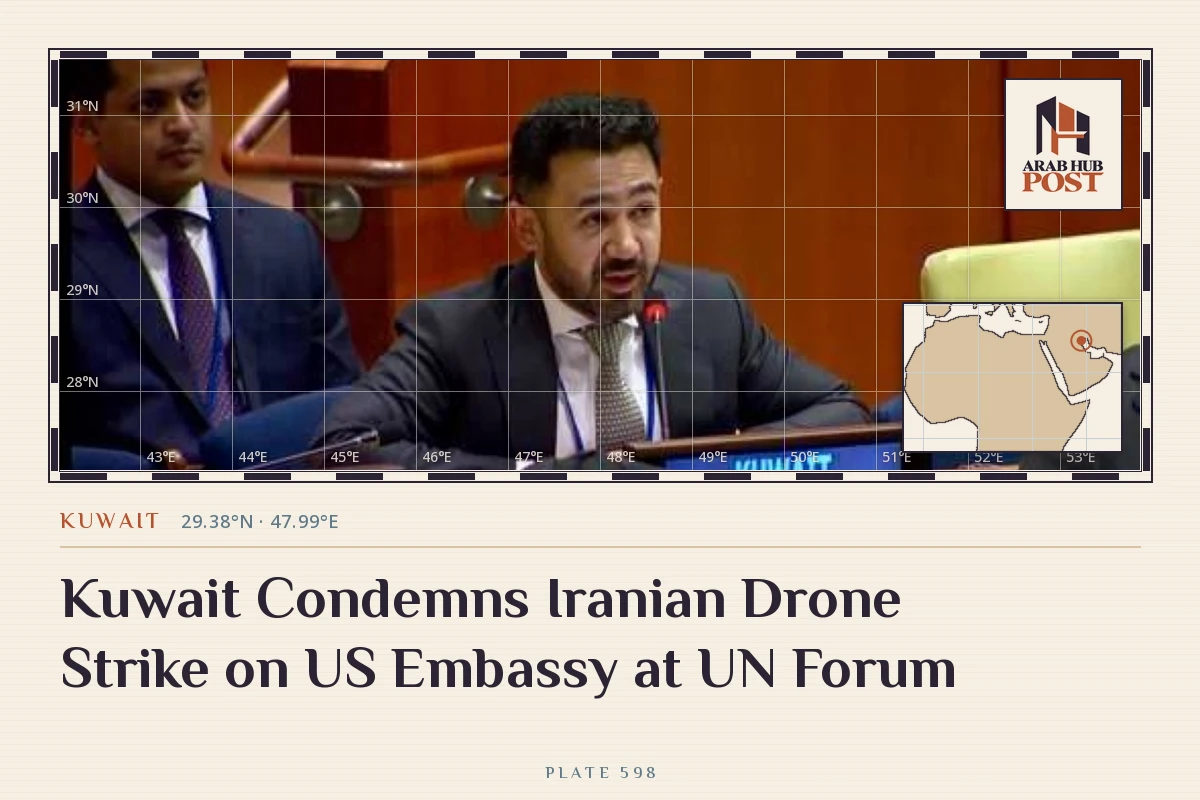
Kuwait has issued a strong condemnation at the United Nations of the Iranian drone strike that struck the US embassy in Kuwait in March 2026, denouncing it as a breach of the country’s sovereignty and the protected status of diplomatic missions.
Kuwait Denounces Attack at UN Legal Committee
Jassim Al-Ameri, Second Secretary at Kuwait’s Permanent Mission to the UN, delivered the rebuke on Tuesday before the General Assembly’s Sixth (Legal) Committee. He stated that the assault endangered embassy staff, civilians and nearby civilian infrastructure, and undermined the very rules that sustain diplomatic relations between states.
Al-Ameri was speaking during the committee’s consideration of agenda item 82, which addresses effective measures to enhance the protection, security and safety of diplomatic and consular missions and their representatives.
Iranian Attacks on Gulf States Condemned
The Kuwaiti diplomat also voiced condemnation of Iranian strikes against diplomatic and consular premises in other Gulf Cooperation Council (GCC) member states, specifically the United Arab Emirates and Saudi Arabia. He stressed Kuwait’s full solidarity with those countries and rejected any acts that target missions or turn them into arenas for confrontation or settling military scores.
Al-Ameri urged Iran to comply fully and immediately with UN Security Council Resolution 2817 (2026), calling on it to halt attacks and threats against regional nations. This includes ending support for armed groups that threaten the security and stability of those countries, he added.
Legal Obligations and Right to Self-Defence
He argued that the protection of diplomatic missions cannot be separated from the prohibition on the threat or use of force enshrined in Article 2(4) of the UN Charter. Kuwait reserves its inherent right to self-defence under Article 51, in line with international law and the principles of necessity and proportionality, he noted.
Al-Ameri highlighted the 1961 Vienna Convention on Diplomatic Relations and the 1963 Vienna Convention on Consular Relations, describing them as cornerstones of peaceful interstate relations. Article 22 of the 1961 convention obliges host states to take all appropriate steps to protect mission premises from intrusion or damage; Article 29 protects diplomatic agents; and Article 31 of the 1963 convention safeguards consular premises.
He stressed that these obligations persist even when diplomatic relations are severed or during armed conflict. States bear international responsibility for wrongful acts attributed to them, including stopping violations, making full reparation and guaranteeing non-repetition.
Al-Ameri concluded that protecting missions is both a legal duty and a necessity for keeping dialogue open between states, especially in times of crisis. He reiterated calls for international obligations to be implemented in good faith. — KUNA

Reader comments
No comments on this report yet.